
African Food Research Acceleration Program
(AFRAP 2025)
What is AFRAP?
The African Food Research Acceleration Program (AFRAP) is a six-month initiative designed to equip early-career researchers with the skills, guidance, and support they need to transition from a novice in research to a professional researcher with ideas that drive real-world impact. Focused on strengthening the knowledge base in African food systems, AFRAP provides a structured environment where emerging researchers can develop essential research skills, engage with critical food systems topics across the continent, and receive expert mentorship from experienced researchers and industry professionals. Participants are supported throughout their research journey; from refining their ideas to executing meaningful projects—and receive tailored feedback and editorial assistance to help them publish their findings in peer-reviewed journals.
For who?
It is designed for final-year undergraduates, postgraduate students, or aspiring and early-career researchers in food systems. We provide the tools and community to help lead the next wave of food research in Africa.
Our Mission
To build the research talent pipeline that will help accelerate the transformation of the African Food System through research and innovation.
Be the first to know when next cohor application is out. Join the waiting list
Meet our 2025 Visiting Mentors
Accelerating African Food Research in Africa
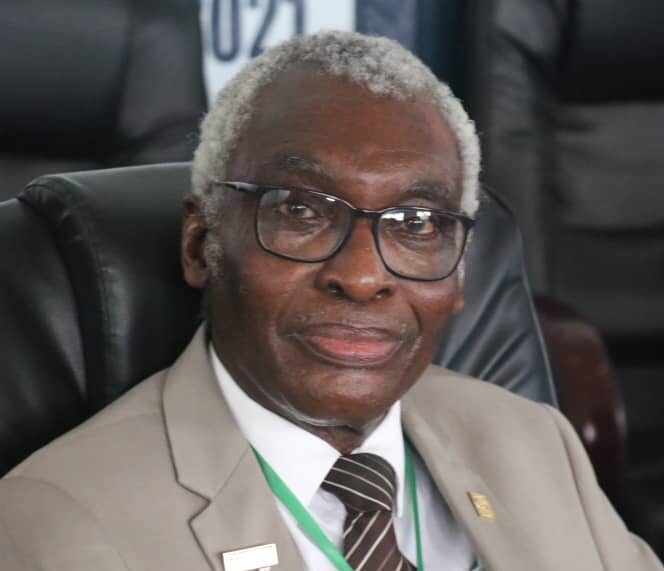
Ogugua Charles Aworh
Ogugua Charles Aworh is Emeritus Professor, and founding George S. Coumantaros Distinguished Professor (2018-2021), Department of Food Technology, University of Ibadan (UI); Past President (2022-2024), International Academy of Food Science and Technology; Fellow, African Academy of Sciences. A recipient of the inaugural (2024) World Food Prize Foundation Top Agri-Food Pioneer Award recognized for “significantly contributing to food security and rural development in Sub-Saharan Africa, making a lasting impact on the field of food science and the broader African agricultural landscape”, he holds B.Sc. (Hons) Agricultural Biochemistry and Nutrition from UI (1973); MS (1976) and Ph.D. (1978) in Food Science and Technology from Cornell University, and was at various times visiting Research Fellow/Professor at the Procter Department of Food Science, University of Leeds, UK; the Department of Food Science, University of British Columbia, Vancouver, Canada; and the Department of Biotechnology and the Institute of Technical Biocatalysis, Hamburg University of Technology, Germany.
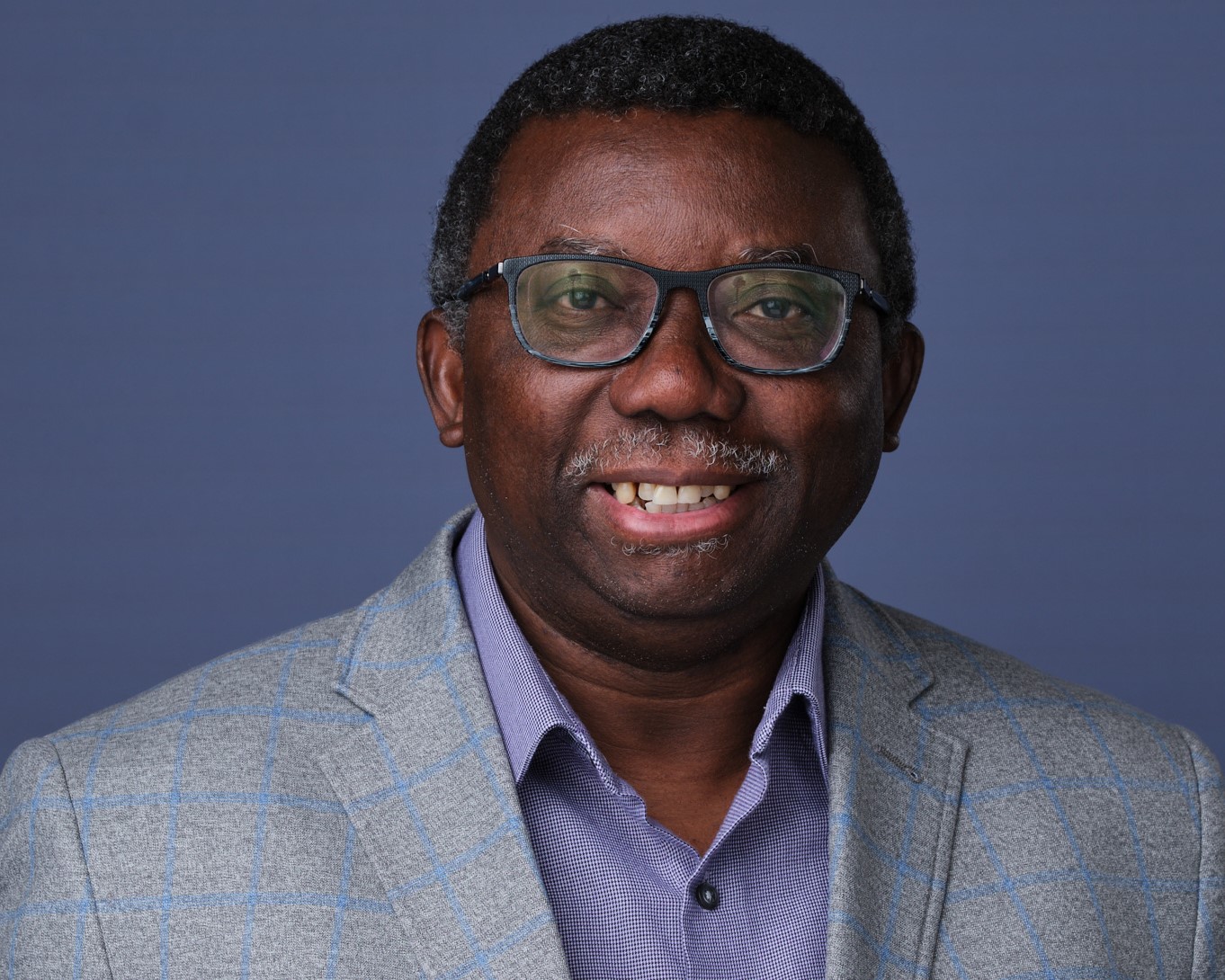
Dr Rotimi Aluko
Dr. Rotimi Aluko is a Professor and Tier 1 Canada Research Chair in the Department of Food and Human Nutritional Sciences, University of Manitoba, Winnipeg, Canada, where he also serves as Director of the Richardson Centre for Food Technology and Research. In addition to 332 peer-reviewed journal articles, he holds two patents on bioactive peptides, one of which has been licensed to a Canadian nutraceutical company for the purpose of commercialization. Dr Aluko has been recognized in multiple years (6 of the past 8 years) by Clarivate Analytics as a Highly Cited Researcher (Top 0.1% of world scientists) with a published scientific journal article citation record in the top 1% globally. In 2022, he received the American Oil Chemists’ Society Lifetime Achievement Award for outstanding research work in proteins and co-products. He currently serves as Editor-in-Chief of the Journal of Functional Foods.
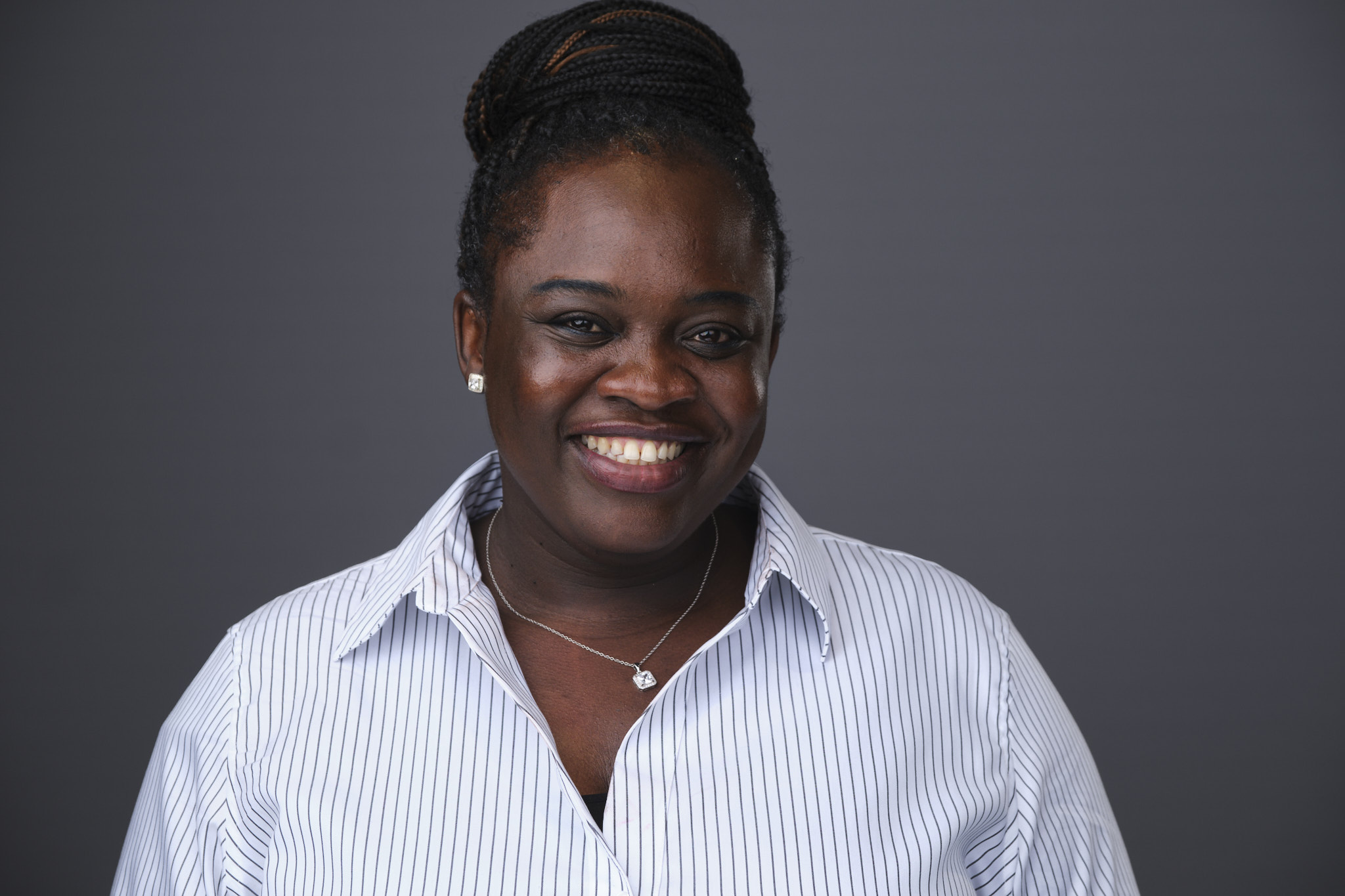
Dr Tasie Ogechukwu
Dr. Tasie is an Adjunct Faculty member at the Department of Food & Animal Science, where she teaches undergraduate classes. She holds a Bachelor of Science in Applied Microbiology, as well as a Master's and a PhD in Food Science. She completed her postdoctoral fellowship at the Food Safety and Toxicology laboratory, where she focused on using non-thermal processing methods to reduce antinutrients in industrial hemp seeds. In addition to her academic pursuits, she is a devoted mentor to students and an active member of professional organizations, including the Institute of Food Technologists (IFT), Phi Tau Sigma—the Honor Society of Food Science and Technology, and the American Society for Nutrition (ASN). Beyond her professional commitments, Dr. Tasie has a diverse range of interests. Her love for teaching, reading, singing, cooking, and volunteering not only adds depth to her character but also enriches her professional life and personal relationships.
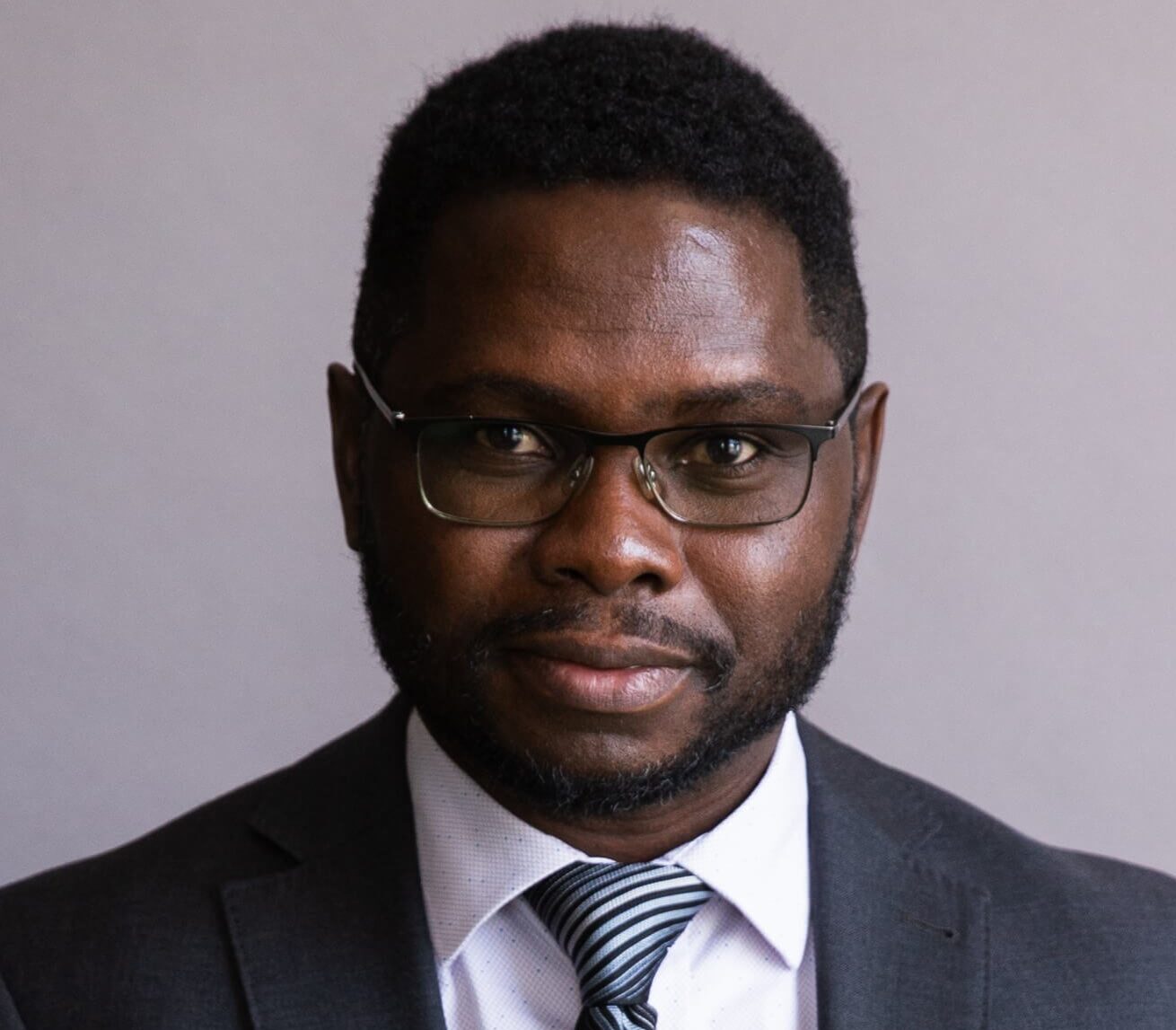
Professor Chibuike Udenigwe
Chibuike Udenigwe is a Professor at the School of Agriculture, Food and Ecosystems Sciences, The University of Melbourne. He is also a Full Professor and the University Research Chair in Food Properties and Nutrient Bioavailability at the University of Ottawa, Canada. His research takes the chemical sciences approach in exploring various aspects of food proteins, including sustainable processing, bioactive peptides, food matrix interactions, digestion kinetics, bioaccessibility, bioavailability, colloidal systems for delivery of bioactive compounds, novel biomaterials (hydrogels, bioplastics), alternative and novel sources, and nutritional quality. Professor Udenigwe is the Editor of the book, Food Proteins and Peptides: Emerging Biofunctions, Food and Biomaterial Applications (RSC) and author of 270 peer-reviewed journal articles and book chapters. He is a Fellow of the Royal Society of Chemistry, Fellow of the Division of Agricultural and Food Chemistry–American Chemical Society, and Fellow of the African Academy of Sciences.
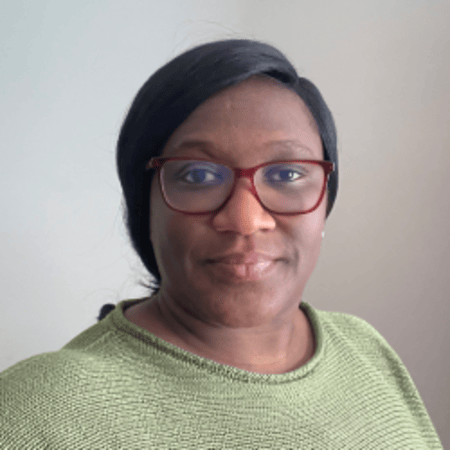
Dr Bukola Onarinde
Dr Bukola Onarinde is an Associate Professor at the University of Lincoln, UK. With a strong background in food microbiology and food science, Dr Onarinde applies both academic expertise and practical experience to tackle real-world challenges in the agri-food sector. Dr Onarinde’s research spans a wide range of microbiology, food science, and food technology themes, with particular focus on antimicrobial resistance (AMR), microbial risk reduction, novel food processing technologies, and food safety validation. Dr Onarinde has led and contributed to numerous research projects funded by UK Research Councils and government agencies, often in collaboration with food industry partners and other research institutions. In addition to her research, Dr Onarinde plays a key role in supervising postgraduate students, providing mentorship that blends scientific rigour with real-world application. She is committed to training the next generation of food professionals and fostering knowledge exchange between academia and industry.
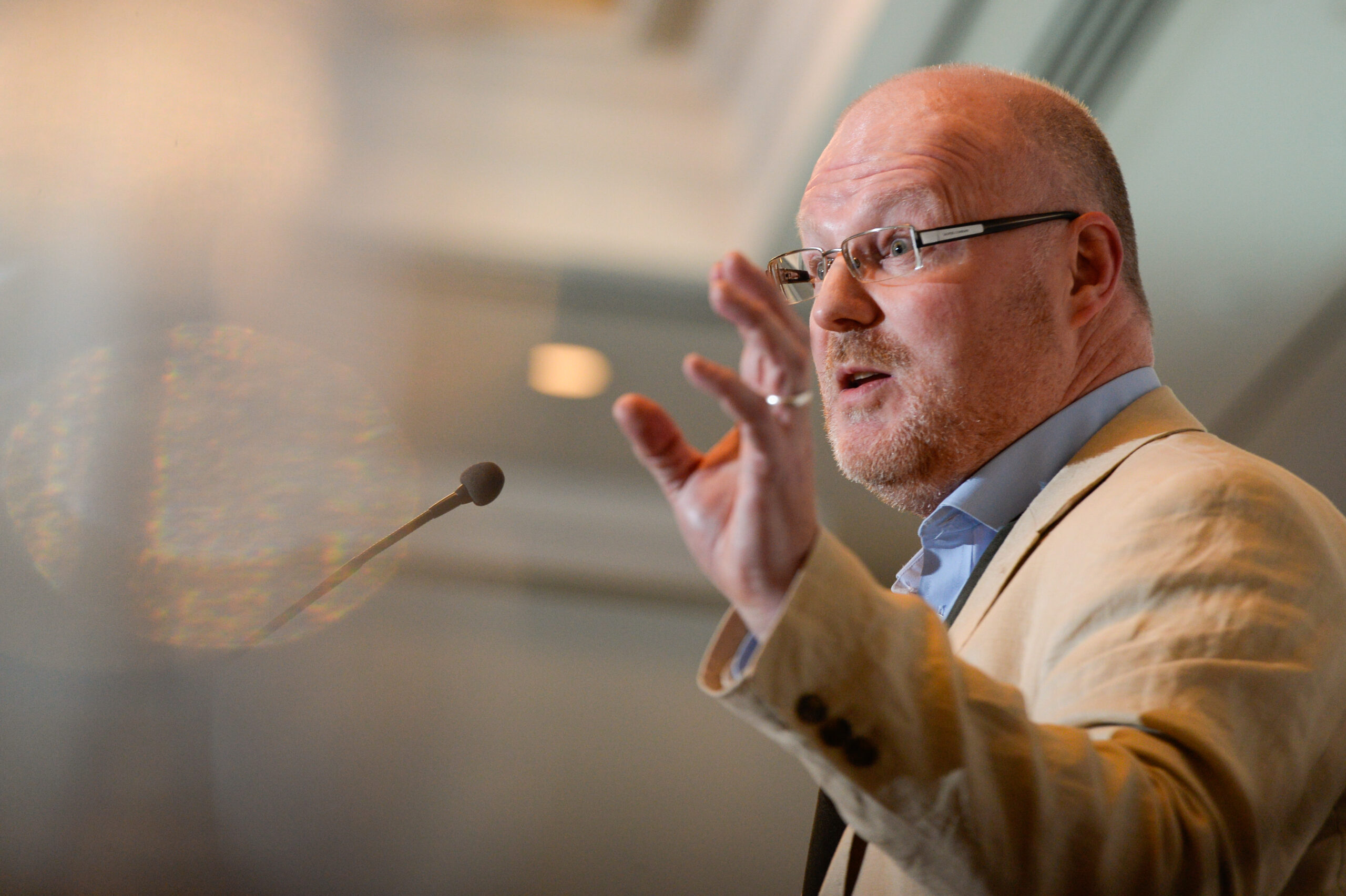
Dr Wayne Martindale
Wayne Martindale B.Sc (hons), Ph.D, FIFST Wayne is a Fellow of the Institute of Food Science and Technology (IFST) with over 30 years of research experience. He has played a leading role in sustainability reporting and carbon footprinting within the food industry, contributing to the development of early retailer assurance schemes and key environmental regulations, including the Nitrate Vulnerable Zone Regulations. Driven by a strong commitment to global food security and innovation, Wayne takes an interdisciplinary approach to a broad range of pioneering projects. These have included the digitalisation of food factories, farming on Mars, and the assessment of global risks to food, biofuel, and feed supplies. Wayne earned his Ph.D in photosynthetic biochemistry from the Robert Hill Institute in 1993. He continued his research on marine plants at the University of Florida, later investigating photosynthetic inhibitors and protein crystallography. His career then expanded into the fertiliser industry—working with all major European manufacturers—before transitioning into farming in the UK, Australia, and the USA, and ultimately into the wider food supply sector. He is currently merging an agri-food data company he founded while actively exploring new ventures. Wayne has held distinguished positions as an OECD Cooperative Research Fellow and a CSIRO McMaster Fellow. He is also a published author, having written two books on food security and over 70 peer-reviewed papers, along with numerous media articles.
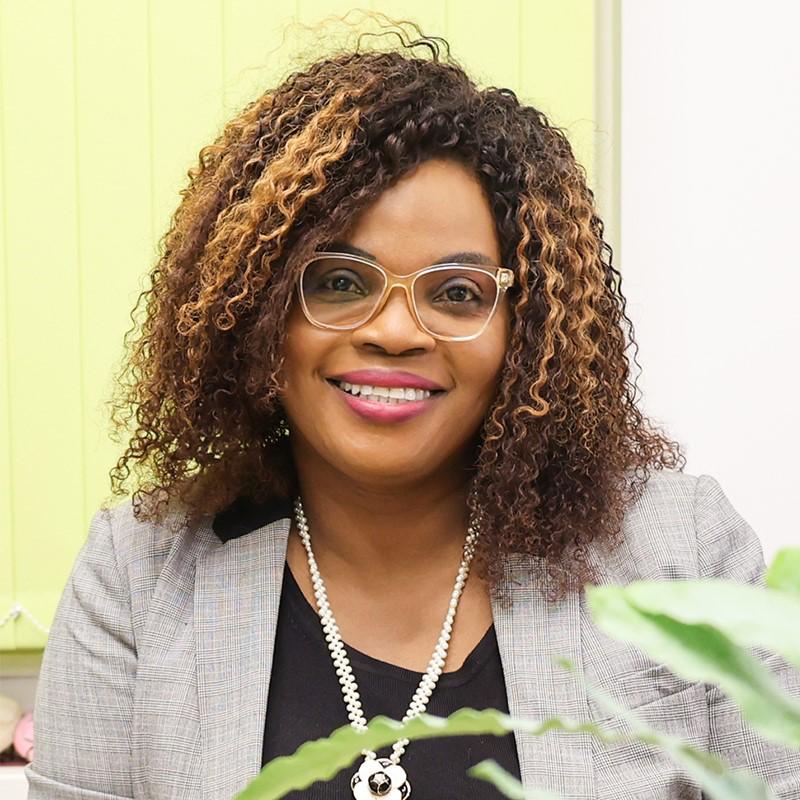
Associate Professor Helen Onyeaka
Associate Professor Helen Onyeaka is an Industrial Microbiologist with over 25 years of experience spanning industry and academia. She is a Fellow of both the Institute of Food Science and Technology (IFST) and the Higher Education Academy (HEA). At the University of Birmingham, Dr. Onyeaka lectures and leads modules in Food Microbiology, Food Safety, and Chemical Engineering, and supervises MSc and PhD research in industrial microbiology. She also delivers Continuous Professional Development (CPD) training for food industry professionals, inspection officers, and international trainees, including those from the Saudi Food and Drug Authority. Her PhD focused on the physiological and metabolic responses of microbial cells to changing microenvironments, with applications for optimizing industrial processes. For this work, she received the Bridon Postgraduate and IChemE Biochemical Engineering awards.
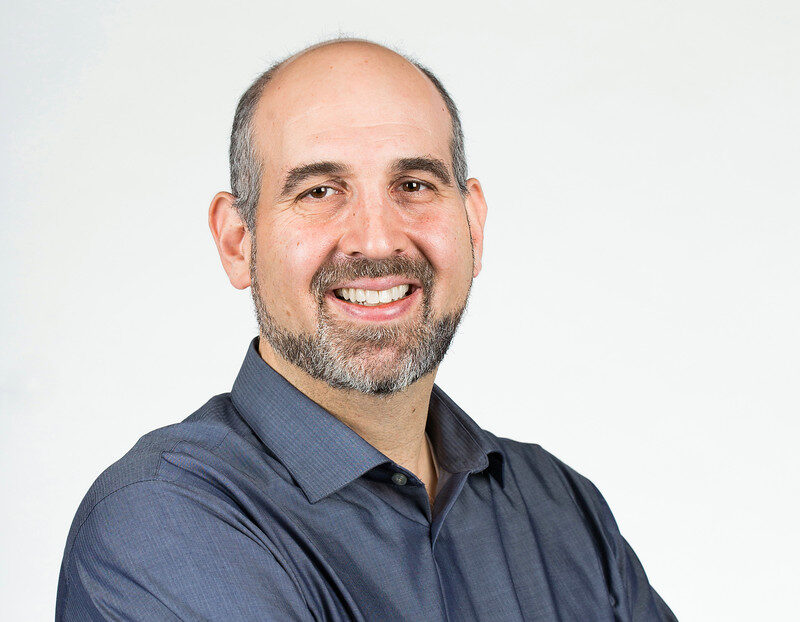
Professor Jonathan Deutsch
Jonathan Deutsch, Ph.D., CHE, CRC is Professor and Vice Chair of Health Sciences, which encompasses Culinary, Food, Nutrition, Exercise and Health Sciences at Drexel University. He is the Founding Program Director of Drexel’s Food Innovation and Entrepreneurship Programs. He is past President of the Upcycled Food Foundation and previously was the inaugural James Beard Foundation Impact Fellow, leading a national curriculum effort on food waste reduction for chefs and culinary educators. He was named a Food Waste Warrior by Foodtank. Before moving to Drexel, Deutsch built the culinary arts program at Kingsborough Community College, City University of New York (CUNY) and the Ph.D. concentration in food studies at the CUNY Graduate Center and School of Public Health. At Drexel, he directs the Drexel Food Lab, a culinary innovation and food product research and development lab focused on solving real world food system problems in the areas of sustainability, health promotion, and inclusive dining. He is the co-author or -editor of eight books including Barbecue: A Global History (with Megan Elias), Culinary Improvisation, and The Anti-Inflammatory Family Cookbook, and numerous articles in journals of food studies, public health and hospitality education. He earned his Ph.D. in Food Studies and Food Management from New York University (2004), his culinary degree from the Culinary Institute of America (AOS, Culinary Arts, 1997), and is an alumnus of Drexel University (BS, Hospitality Management, 1999). A classically trained chef, Deutsch worked in a variety of settings including product development, small luxury inns and restaurants. When not in the kitchen, he can be found behind his tuba.
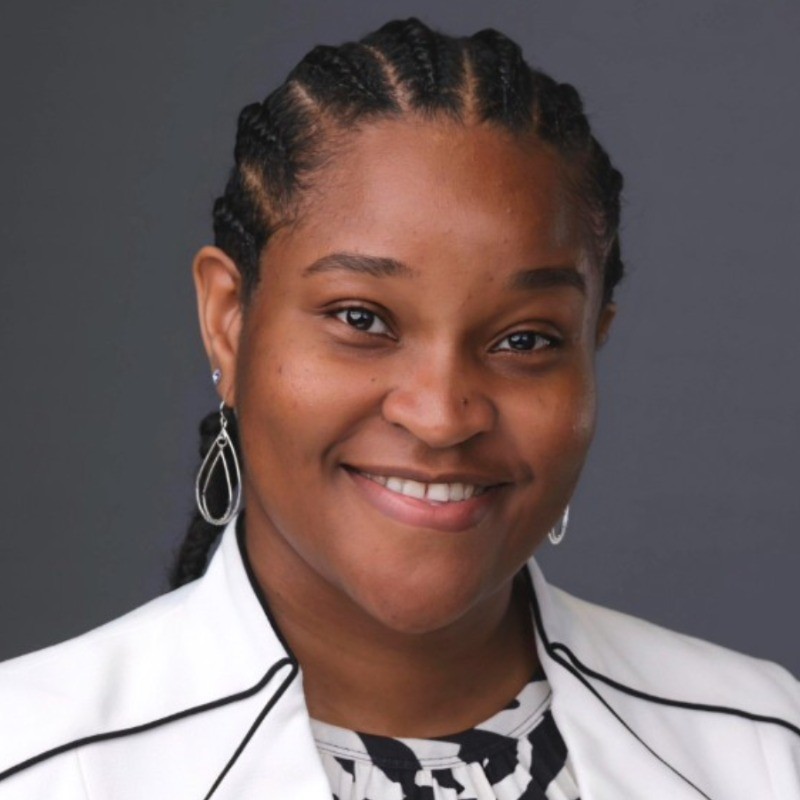
Nnenna Ariakpomu
Nnenna Ariakpomu is a food processing and sensory science professional with over a decade of experience spanning lecturing, research, and industry. As a PhD researcher at the University of Leeds, she specialises in optimising sensory testing and consumer insights to improve food quality and drive product innovation. Her work blends innovative methodologies and data analysis with design thinking to translate research into real-world impact. Nnenna lectured in food processing, product development, food plant design and sensory evaluation in Nigeria, where she built strong foundations in food systems and consumer engagement. A recipient of three international development scholarships, she is known for her creative mindset, analytical depth, cross-functional leadership, and a deep commitment to inclusive, user-centered innovation that makes a meaningful impact across the global food industry.

Adetola Emmanuel Babalola
Adetola Emmanuel Babalola is a Nigerian-trained dentist and Master of Science candidate in Oral Health Sciences at the Kornberg School of Dentistry, Temple University, Philadelphia. He has authored more than 60 research publications in oral health, public health, and evidence-based care, with over 140 citations, and serves in editorial and peer-review capacities for several international journals. With over three years of clinical experience, he is an active member of the International Association for Dental Research (IADR) and the American Association of Public Health Dentistry (AAPHD).
In 2024, Adetola was selected for a prestigious health policy research training at the Cato Institute in Washington, D.C. He is a full member of Sigma Xi, the international honor society recognizing excellence in scientific research. At Temple, he works in the dental digital laboratory, where he integrates clinical expertise with emerging technologies. He has chaired poster sessions at the IADR and co-founded Research Initiatives International, a platform advancing mentorship and scholarly collaboration across Africa.

CAFR’s – SDG In focus
Our work supports three United Nations’ Sustainable Development Goals: No Poverty (SDG 1), Zero Hunger (SDG 2), and Climate Action (SDG 13). We create jobs for African food producers and support small and medium-sized businesses in the African food value chain to help achieve SDG 1. To achieve SDG 2, we aim to make African indigenous food products more available, accessible, and affordable while improving their nutritional quality and diversity. We also promote climate-friendly production processes to support the implementation of the Paris Agreement and the United Nations Framework Convention on Climate Change and encourage the use of low-carbon and climate-resilient African indigenous food products to achieve SDG 13.
AFRAP’S Output
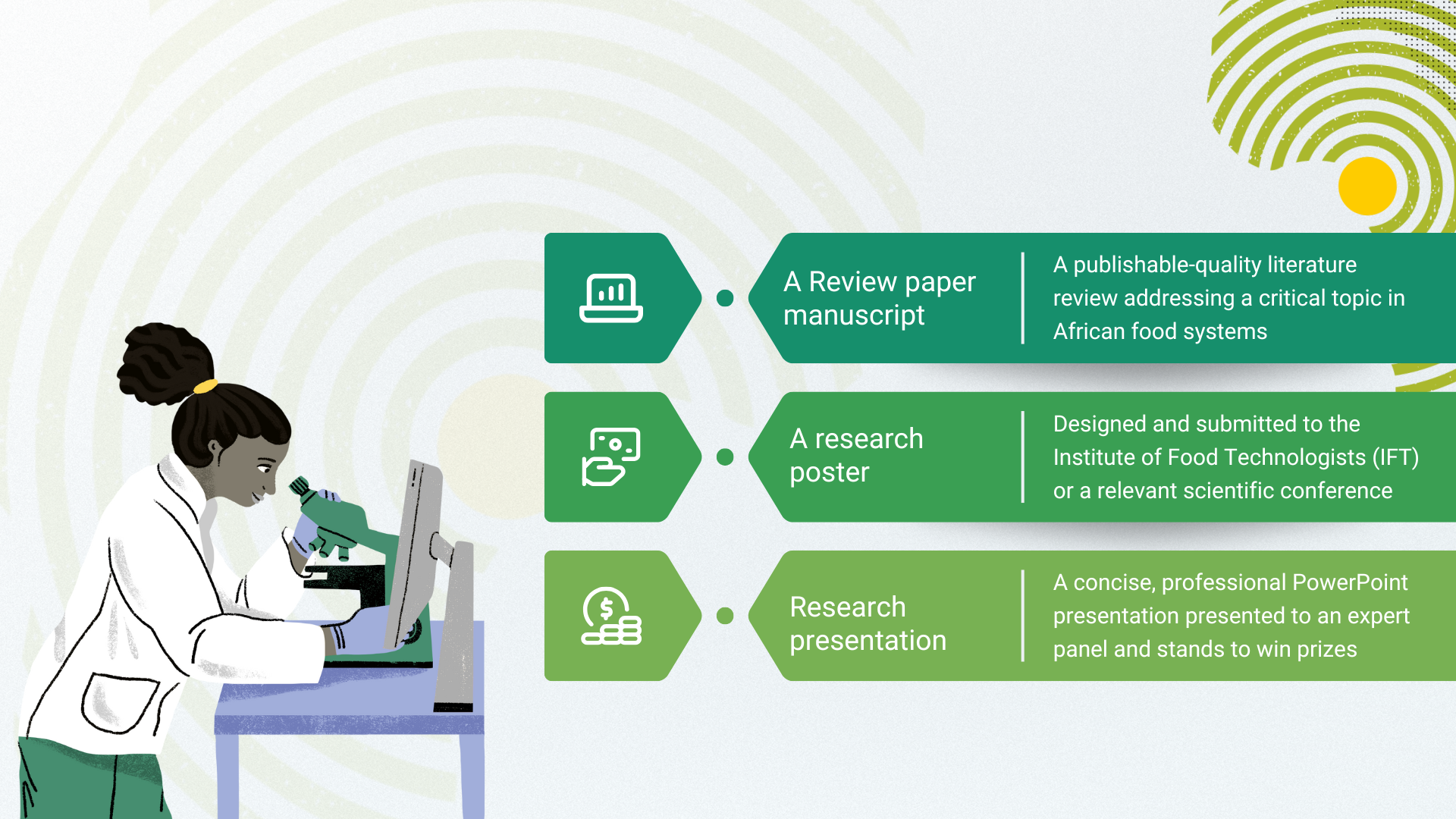
By the end of the program, AFRAP participants will produce three core outputs that demonstrate their research capabilities and readiness for scientific engagement. First, they will develop a review paper manuscript, a publishable-quality literature review that addresses a critical topic within African food systems. This paper will be guided and refined through structured feedback to meet academic publishing standards. Second, each participant will design a research poster suitable for submission to any relevant scientific conference, allowing them to visually communicate their research insights to a broader audience. Finally, participants will deliver a professional research presentation, showcasing their work through a concise and compelling PowerPoint presentation delivered to an expert panel, with opportunities to win prizes for excellence in research communication. Together, these outputs ensure that AFRAP participants leave the program with tangible, high-impact contributions to the field.
Meet Our Resident Mentors

Chiamka Adinnu
Food System Researcher

Nicholas Alifa
PhD Researcher

Oyinkasola Olotu
PhD Researcher
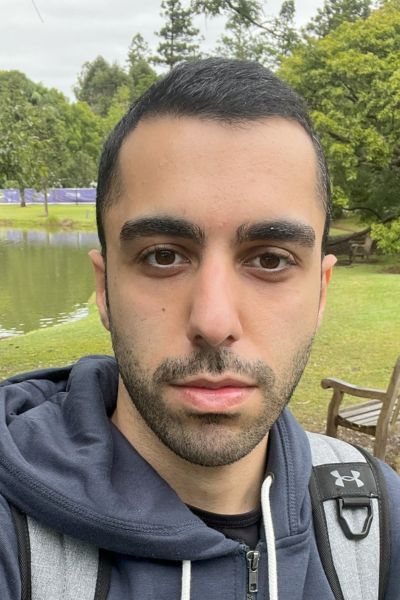
Dr. Ali Ali Redha
Postdoctoral Fellow
Are you looking to publish your first research paper or add a new title to your publications? Join us now!
Stay up-to-date with
Latest News and
Industry Updates
Stay informed with the latest insights, research, and developments shaping the African food system and global industry. From emerging innovations and sustainability trends to policy shifts and research breakthroughs, CAFRI keeps you connected to the knowledge that matters. Our updates ensure you never miss important news, helping you stay ahead in a rapidly evolving food landscape. With timely features, expert perspectives, and reliable data, we bring clarity to complex issues while highlighting opportunities for growth and collaboration across the food sector.
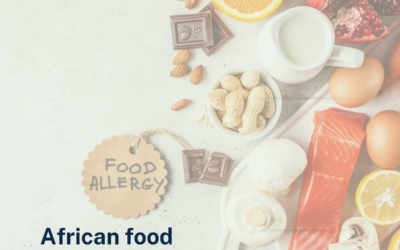
FOOD ALLERGY IN AFRICA – WHAT YOU CAN DO
In conclusion, all these roles must be actively engaged in addressing the challenges of food allergens and improving public health outcomes in Nigeria. Collaborative efforts can lead to better identification, management, and prevention of allergic reactions, essential for the population’s well-being.
Want to contribute to helping Africans
eat enough food? Talk to us today

Don’t miss out on our invaluable trainings, exciting events, groundbreaking projects, and cutting-edge research. Stay up to date and be the first to know by keeping in touch with us.
GET IN TOUCH
(c) Digital Technology – 2024 – CAFRI . All rights reserved.